

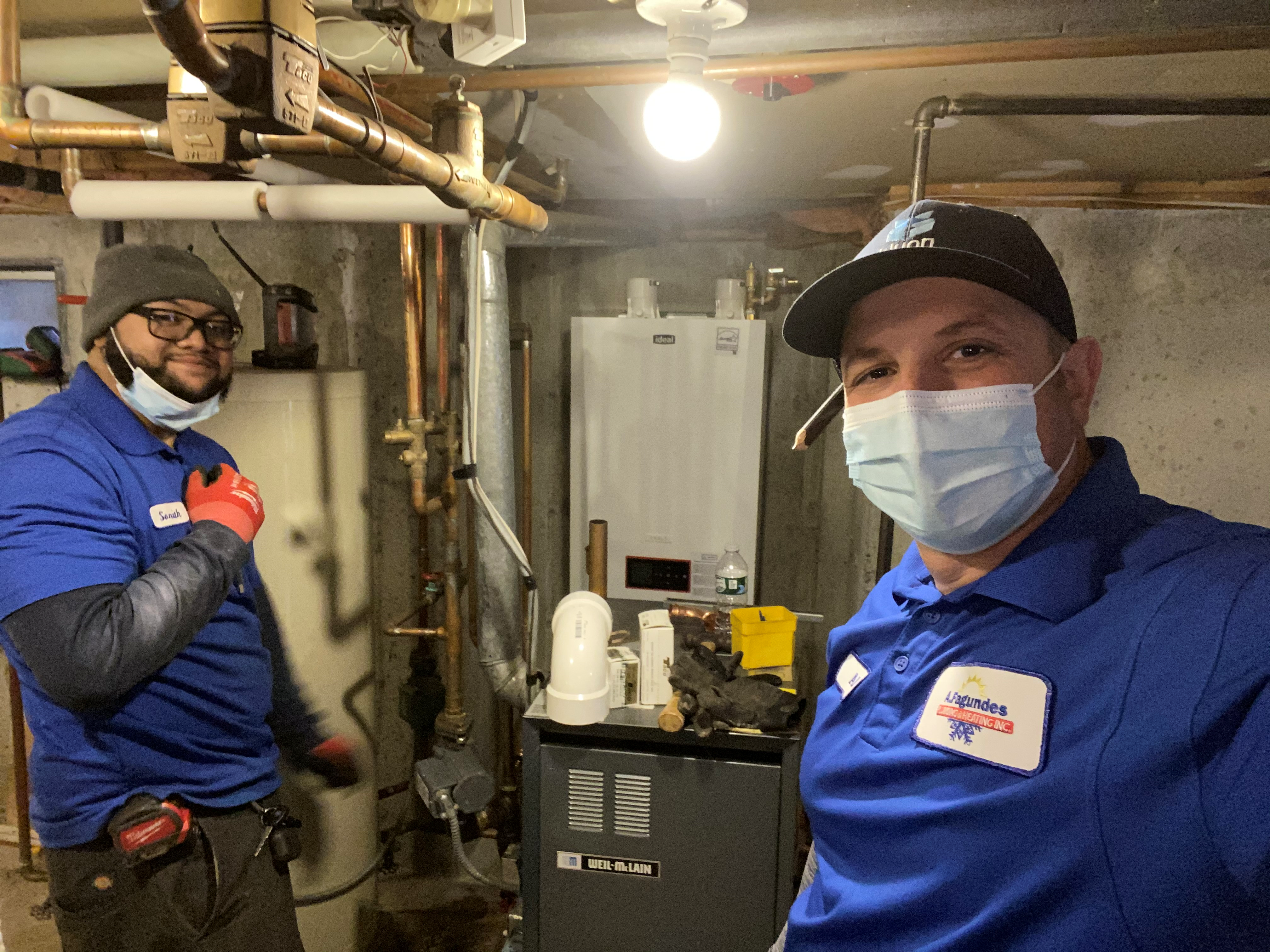
If you want dependable hot water throughout your home, staying proactive with your tankless water heater is essential. These systems offer excellent efficiency and nearly endless hot water, but issues like mineral buildup, sensor malfunctions, and local water quality can quickly disrupt performance. For homeowners in Massachusetts and New Hampshire, recognizing early warning signs can help you avoid sudden cold showers, rising utility costs, and costly repairs. Below is a detailed look at the most common indicators that your tankless system needs immediate attention.
Most Telling Signs Your Tankless Water Heater Needs Immediate Attention:
- Fluctuating or Inconsistent Water Temperatures: Sudden shifts from hot to cold or consistently lukewarm water often point to scale buildup or failing sensors. Hard water in many areas of Massachusetts and New Hampshire accelerates mineral accumulation, which restricts flow and reduces heating efficiency.
- Reduced Hot Water Pressure: A noticeable drop in water pressure typically means clogged inlet filters or a blocked heat exchanger. These blockages force the system to work harder, reducing overall performance.
- Unusual Noises During Operation: Rumbling, rattling, or sharp clicking sounds indicate sediment or mineral scale forming inside the heater. These noises are early signs that internal components may be wearing down or overheating.
- Unexpected Increases in Energy Bills: Rising utility costs without changes in usage can signal that your tankless heater is overworking due to internal blockages, failing elements, or inefficiencies caused by scale buildup.
- Leaks, Moisture, or Pooling Around the Unit: Dampness near the base of the heater may point to internal corrosion, failing seals, or compromised plumbing connections. Even small leaks should be addressed immediately to prevent costly damage.
- Error Codes or Warning Lights on the Display: Digital alerts are designed to identify issues such as ignition failures, vent blockages, or sensor malfunctions. Ignoring these warning signals can lead to more serious damage and may affect warranty coverage.
By keeping an eye out for these warning signs, you can act quickly to schedule maintenance and protect your tankless water heater from further damage. Addressing problems early helps maintain efficiency, extend the lifespan of the system, and ensure you always have the reliable hot water your household depends on.
What Causes Your Tankless Water Heater’s Hot Water to Change Temperature?
If your tankless water heater delivers water that swings from hot to cold unexpectedly, several root causes might be at play. Hard water, common throughout New England, leaves traces of calcium and magnesium in your system. These minerals quickly form scale on the heat exchanger, which acts like a barrier. As a result, the heater struggles to reach or maintain your set temperature. Poorly maintained sensors are also frequent offenders. A faulty temperature or flow sensor provides inaccurate readings, leading the control board to misjudge how much heat is needed.
Fuel and venting concerns affect temperature consistency too. If your system is starved for gas or electricity—perhaps from an undersized line or venting issue—it cannot sustain the correct output, especially if multiple fixtures are running at once. This may occur more frequently as systems age or if they're not sized correctly for the household’s needs. Additionally, manufacturer-specific control boards may develop firmware problems that require a technician’s attention.
To protect against these temperature swings, schedule annual descaling if you live in a hard water area. Check and recalibrate sensors when you notice inconsistencies, and make sure lines remain free of blockages. When digital error codes appear, following their guidance—or bringing in a technician—can restore regular operation and prevent more serious failures.
How to Read & Respond to Error Codes on Tankless Water Heaters
Modern tankless water heaters display error codes as a first warning sign for underlying issues. When a code appears on your display, start by looking up the meaning in your owner’s manual or accessing manufacturer resources online. Popular brands like Rinnai and Navien list codes for everything from ignition and venting problems to excessive scale buildup or insufficient water flow.
If you spot an error code indicating a blocked filter, ignition failure, or vent issue, resolve simple tasks—like cleaning the inlet filter or checking breakers—if the manual recommends it. Always follow the manufacturer’s steps, as skipping ahead or guessing fixes can make matters worse and may void your warranty. Don’t reset your unit hoping a persistent code will go away; this can mask deeper issues and complicate future service calls.
For error codes that remain or return after you try the suggested remedies—or for anything beyond basic filter cleaning—contact a licensed plumber with tankless system experience. A certified technician can interpret codes, safely open your heater, and resolve electrical or gas-related issues. Professional service helps you avoid voiding warranties and ensures long-term system reliability.
What Does Reduced Water Pressure Really Mean for Tankless Heaters?
Noticeably reduced water flow is a sign that sediment, mineral buildup, or mechanical problems are starting to take hold. Hard water minerals can clog the unit’s inlet filter or settle inside the heat exchanger, gradually choking off flow and reducing your comfort. These issues are especially common in Massachusetts and New Hampshire, where water supplies tend to be mineral-heavy and older plumbing may contribute additional sediment.
The heater’s flow sensor may also malfunction when clogged or worn, leading to the system misreading how much water is moving through. Inadequate sizing is a less frequent but possible cause—if the system never kept up from day one, it may not be designed for your water usage patterns. Compare current flow with what you experienced previously to determine if a recent drop signals a new issue or a chronic design concern.
If you experience low flow, run through a simple checklist: Confirm faucet aerators are clear, try using only one hot water fixture at a time, and check for visible blockages on venting. When those steps don’t restore normal output, a plumber can flush the system, clean or replace flow sensors, and verify the unit’s sizing fits your home’s needs. Regular inspections defend against major performance loss and extend the life of your tankless system.
Should You Worry About Noises Coming from Your Tankless Water Heater?
Strange noises are more than a nuisance—they often indicate issues forming beneath the surface. Clicking and light tapping are common during startup or shutdown, but increasing volume, persistent clanging, or frequent rumbling point to scale formation or parts beginning to fail. Rumbling, in particular, often results from water boiling unpredictably around heat exchanger deposits, which can stress components and reduce heating efficiency.
Whistling or squealing frequently traces back to partially closed valves, blocked vent pipes, or pressure imbalances. Over time, these cause wear that shortens your heater’s lifespan. High-pitched whines may suggest a fan or combustion part requires lubrication or repair; leaving this unchecked could result in an unexpected shutdown. Boston area homes with older vent setups or outdoor heaters are especially prone to these airflow restriction sounds during the winter season.
Loud banging or metallic noises demand immediate shutdown and professional inspection. They point to loose or broken internal parts that can damage your system if left unchecked. Keeping your heater descaled, checking airways, and promptly addressing new sounds will maintain safe, quiet, and efficient operation for years to come.
Hard Water in Massachusetts & New Hampshire: What It Means for Tankless Water Heaters
Hard water challenges homeowners across Massachusetts and New Hampshire, causing mineral scale to build up inside tankless water heaters. Calcium and magnesium—prevalent in regional water supplies—are left behind as water moves through the heat exchanger, forming deposits over time. Unlike traditional tank heaters, tankless models are far more sensitive to scaling, which disrupts flow, reduces efficiency, and threatens warranty coverage if neglected.
Indications of hard water’s effects include white spots on dishes, frequent aerator and showerhead clogs, and mineral stains near taps or plumbing seams. These same minerals accumulate rapidly inside the precise pathways of tankless units, often leading to error codes or a slow decline in output long before visible damage appears.
To combat hard water issues, local plumbers frequently suggest a two-pronged approach: installing a whole-home water softener or a specialized scale filter before the heater, paired with scheduled professional descaling at least once a year. Technicians familiar with New England’s distinct water profiles can build a custom maintenance plan, protecting both your comfort and your investment long-term.
Safe Maintenance Tasks for Homeowners: What You Can Really Do Yourself
Taking care of your tankless water heater doesn’t always require a professional—there are several routine jobs you can manage safely on your own. Flushing is the most important. Many manufacturers provide isolation valves and clear instructions for homeowners to flush scale from the system using a pump and cleaning solution, especially for those living in areas with mineral-rich water. Stay close to manufacturer recommendations for solution types and flushing intervals, as incorrect methods may harm your unit or void your warranty.
In addition to flushing, check and clean the unit’s inlet water filter. This small filter guards against sediment and debris that can block flow. Inspect it every few months, more often if you notice reduced water pressure or live near construction sites with higher dirt levels. Washing or swapping a clogged filter is usually straightforward, but use caution—if you meet resistance or suspect damage, call a professional for guidance.
Also, keep air intake and exhaust vents free from dust, leaves, or snow to prevent suffocation of your system’s airflow. Regular visual checks and light vacuuming help keep things running smoothly. Never open sealed panels, touch electrical components, or attempt repairs described as “service technician only” in your manual. When in doubt, consulting a licensed plumber protects both your equipment and your warranty coverage.
When Is It Time to Call a Licensed Plumber for Tankless Maintenance?
Knowing when to call a plumber could save your family from cold showers and prevent further damage. If your tankless water heater flashes error codes or warning lights you can’t resolve, fails to restart after basic checks, or leaks around its base, these are clear signs your attention—and professional help—are needed. Attempting complex fixes beyond recommended self-maintenance can create hazards and often voids warranty protection.
Some jobs, such as replacing sensors, fixing ignition or combustion systems, or resolving electrical faults, require specific tools and training you won’t find in the average home toolbox. State plumbing codes in Massachusetts and New Hampshire also dictate licensed professionals must handle certain repairs and installations to keep homes safe and code compliant. Plumbers with direct experience servicing a range of tankless heater brands ensure your maintenance is completed efficiently and according to local safety and rebate requirements.
Choose a team that values transparency, like Fagundes Plumbing Heating AC, to get same-day service and upfront pricing. Uniformed, licensed professionals can quickly address your unit’s needs, walk you through findings, and make certain your investment remains protected. Count on local service to match the demands of your household and community.
How Often Should You Service Your Tankless Water Heater in New England?
Regular service makes all the difference in keeping your tankless water heater running efficiently, especially in the Northeast. At a minimum, schedule professional service once every year to stay ahead of scale buildup and sensor issues common with hard water. If you rely on private well water, use more hot water than average, or see visible mineral deposits in your home, you may want to flush the system more frequently—every six to nine months is a good benchmark in high-risk areas.
Major brands encourage annual inspections to maintain peak operation and validate warranty protection. Technicians check for scale, clean filters, review ignition systems, and test safety controls. Before winter, schedule a maintenance check to spot potential issues before demand rises—this helps keep hot water flowing when you need it most. Even if your heater seems to run fine, skipping annual maintenance leaves you vulnerable to efficiency loss and unexpected repairs.
If you’ve moved into a new house or don’t know your heater’s service history, a complete inspection reestablishes your baseline and gives you peace of mind. Creating a record of professional visits is handy for warranty claims, and keeps your system eligible for local rebates. Partner with a trusted provider who understands the quirks of New England water and climate.
Does Skipping Tankless Water Heater Maintenance Threaten Your Warranty or Rebates?
Ignoring regular maintenance doesn’t just put your comfort at risk—it can also cost you financially. Most tankless water heater manufacturers require homeowners to document professional service visits to keep their warranty valid. Failing to perform scheduled tasks like descaling or filter checks often means repairs—from simple sensor issues to major part replacements—will fall squarely on your shoulders, not the manufacturer’s.
Statewide energy incentive programs, including Mass Save, have strict requirements for rebate eligibility. Without maintenance records, these organizations may deny or rescind rebates for high-efficiency installations. Even if your system operates without obvious flaws, neglected care shortens its lifespan, reduces return on investment, and wastes energy—leading to larger utility bills over time.
Stay proactive by saving invoices and documenting each service call. Work with teams who coordinate directly with manufacturers and rebate programs to avoid surprises at tax time or during a rare warranty claim. These simple steps keep your budget protected—and keep your home running smoothly year-round.
What’s Involved in a Professional Tankless Water Heater Maintenance Visit?
When you schedule professional maintenance, expect a comprehensive approach covering every vital component of your tankless water heater. The visit usually starts with an exterior check for leaks, corrosion, and proper mounting. Technicians review your heater’s error code history, then power down and connect specialized hoses to flush out the heat exchanger using descaling agents. Full descaling removes years of mineral buildup and restores optimal water flow.
During the same visit, plumbers clean or exchange inlet filters, examine air intake and exhaust vents, and test sensor accuracy. They verify ignition systems and check for proper gas pressure or electrical connections. Each test ensures your system performs safely and within manufacturer specifications—a necessity for warranty protection and Massachusetts or New Hampshire code compliance.
Before finishing, your plumber will restart the heater, monitor its performance across every tap in your home, and explain findings or recommendations. Clients in our community benefit from technicians who know the specific water challenges and weather your home faces. Full-service maintenance ensures you enjoy efficient, reliable hot water every day.
Smart Strategies to Extend Your Tankless Water Heater’s Lifespan in New England
Preventative steps can add years to your tankless water heater’s service life. Installing a water softener is one of the most effective solutions, especially in towns known for hard water. By filtering out minerals before water reaches your heater, you drastically slow the pace of scale buildup, lowering both maintenance frequency and risk of breakdown.
Regular professional descaling remains a must, particularly if you have well water or persistent mineral stains. Protect your system further by clearing vents of snow, leaves, or debris—all of which can restrict airflow and cause operational errors. Today’s smart home tools, such as leak detectors and water monitors, alert you to problems like hidden leaks or pressure drops before they lead to expensive repairs.
Stick with trusted, certified brands and schedule service with providers directly trained by those manufacturers. Family-owned businesses who conduct technician training on-site, such as Fagundes Plumbing Heating AC, bring a level of technical know-how and personal attention that’s hard to match. Proactive steps and strong partnerships combine to deliver the value and security you want for your investment.
Finding Reliable Tankless Water Heater Maintenance Services in Massachusetts & New Hampshire
When selecting a provider for tankless water heater care, choose teams with roots in the community and a reputation for transparent, hands-on service. Local, family-operated companies like Fagundes Plumbing Heating AC understand the unique plumbing and heating needs of New England homes. Every plumber on our staff holds a Master Plumber license, and our HVAC technicians are NATE-certified—so you know your system is in qualified hands for every job, big or small.
Fagundes Plumbing Heating AC is committed to serving neighbors with dependable scheduling and clear communication. We offer same-day and 24/7 service for urgent needs, plus upfront pricing so you never face hidden costs or surprise fees. Our technicians explain every procedure, respect your property, and stand behind their work with a satisfaction pledge you can count on.
Whether you need timely maintenance, repairs, or advice on upgrading to a more efficient system, working with a business that values your satisfaction above all will keep your hot water flowing year-round. When you want prompt, trustworthy tankless water heater maintenance across Massachusetts and New Hampshire, get in touch with Fagundes Plumbing Heating AC at (978) 350-5522—your family’s comfort and peace of mind are always a call away.

.2102171106550.png)
.2005051115550.jpg)
.2509092313177.jpg)