

.2005051115550.jpg)
When a drain in your home slows to a trickle or stops moving altogether, you want to fix it quickly, safely, and affordably. At Fagundes Plumbing Heating AC, we’ve helped countless Massachusetts and New Hampshire homeowners get their plumbing back on track with reliable tips and home remedies for clogs that don’t require chemicals or complex tools. If you’re searching for DIY solutions that work—and want to know when a professional plumber should step in—read on for practical guidance and proven strategies to keep your drains flowing freely.
What Causes Minor Drain Clogs and How Can You Identify Them?
Everyday activities generate debris that can collect in drains and pipes, resulting in clogs over time. In the kitchen, food scraps, cooking oils, and soap residue are the main culprits. These materials coat the pipe walls and combine to form blockages that can slow water flow or stop it entirely. Bathroom sinks and tubs often collect hair, toothpaste, and product buildup, creating stubborn clogs that can linger just below the drain cover. In laundry rooms, lint and soap scum from washing machines can narrow pipes, contributing to backups.
Identifying which drain is affected and what might be causing the clog is crucial. Water pooling in a single fixture often points to a localized blockage, while slow drains in several areas can signal a drain line issue elsewhere. A kitchen sink that backs up when the dishwasher runs, a shower that leaves standing water, or a washing machine that won’t drain as quickly as usual each offer clues about what kind of clog you might be facing. Recognizing these signs early helps you select the most effective home remedy and avoid unnecessary damage to your plumbing.
In homes across Massachusetts and New Hampshire, hard water is also a frequent contributor to stubborn clogs. Minerals in the water can settle inside pipes, causing scale and narrowing the passage for water and debris. Paying attention to signs like chalky residue on fixtures or repeated slow drains after cleaning can alert you to this hidden cause. Understanding both the common and region-specific sources of drain clogs sets you up for success when choosing a safe and effective DIY fix.
Is It Safe to Use Chemical Drain Cleaners for Minor Clogs?
Many brands of chemical drain cleaners promise fast results, but they can come with serious risks to your plumbing, your health, and the environment. Most rely on lye, caustic soda, or acid to break down organic blockages. While these products might temporarily clear a minor clog, they often corrode metal pipes and erode rubber components, especially in older homes common across Massachusetts and New Hampshire. Over time, repeated use can cause leaks, weaken pipe joints, and lead to even greater repair needs.
Using chemical drain cleaners also introduces hazardous fumes into your living space. Vapors from these products may irritate eyes, skin, and lungs, making them especially unsafe for families with children, pets, or anyone with respiratory issues. If the product fails to dissolve the clog, dangerous chemicals remain in the pipe, creating a hazard for anyone attempting future repairs or using a plunger or snake afterward.
Beyond the immediate risks, chemical drain cleaners contribute to water pollution once they enter municipal sewer systems. The environmental impact—combined with the damage to home plumbing—means safer home remedies are almost always preferable. Natural approaches like baking soda and vinegar or boiling water treatments offer effective alternatives without the risks tied to commercial chemical products, preserving both your home and the local ecosystem.
How Does the Baking Soda and Vinegar Method Work for Drain Clogs?
The baking soda and vinegar method is a tried-and-true way to tackle drain clogs using safe, household ingredients. Baking soda acts as a mild abrasive and deodorizer, while vinegar causes a reaction that produces fizzing bubbles capable of dislodging soft organic material clinging inside your pipes. This natural remedy is most effective for mild to moderate clogs made up of food residue, soap, or hair.
Here’s how to use the baking soda and vinegar method for a slow or backed-up drain:
- Pour a pot of boiling water down the affected drain to soften any greasy buildup and open up the pipe.
- Add about half a cup of baking soda, letting it settle down for a few minutes.
- Slowly pour a mixture of one cup of vinegar and one cup of very hot water into the drain, then quickly cover with a stopper to concentrate the reaction below the surface.
- Wait at least 10-15 minutes for maximum fizz and cleaning action before flushing again with boiling water to rinse away softened debris.
This method is safe for most plumbing systems. If you perform this remedy twice and see no change, or if you hear persistent bubbling deep inside the drain, the clog may be too severe or too far down the line for a home remedy to reach. At that point, consider mechanical solutions or arrange for a licensed plumber to inspect further before the problem gets worse.
What Home Remedy Works Best for a Slow-Draining Sink?
Not all slow drains are alike, so matching the right remedy to the situation is key. For mild backups—in kitchen sinks with grease or soap scum, or bathroom drains with daily residue—a boiling water flush is a simple, safe first step. Slowly pour boiling water directly into the problematic drain, pausing to give heat time to melt and move built-up debris. Avoid this method with PVC piping, as excessive heat may cause damage.
For tougher clogs, try a salt and baking soda approach: Mix half a cup of salt with half a cup of baking soda and pour into the drain, waiting several minutes before following with boiling water. The gritty salt helps scour stubborn buildup, while the baking soda neutralizes odors. Dish soap also works wonders for grease-based clogs; begin by adding plenty of liquid dish soap to the drain and let it sit before flushing with hot water, allowing the soap to lubricate and break down greasy patches.
If the sink drain remains slow after these efforts, avoid forcing more water down—it can worsen the blockage or cause a messy backup. Persistent problems despite these safe home remedies indicate the clog may be further along the line or attached to pipe walls in a way that requires professional equipment for removal. Prompt attention can help you avoid more costly repairs later.
Can I Use a Plunger or Drain Snake to Clear a Minor Clog?
Plungers and drain snakes remain effective for clearing minor household clogs, as long as you use the right technique and caution with materials. Begin with a cup-style plunger; fill the sink or tub with enough water to cover the plunger’s rubber bell and firmly press down to create a strong seal. Pump the handle up and down for up to 30 seconds, breaking the vacuum occasionally to check if water drains away faster. Repeat the process as needed, but avoid excessive force—especially if you have older porcelain fixtures or aging metal pipes common in New England homes.
When a plunger doesn’t work or the clog is deeper, use a manual drain snake. Insert the flexible metal cable slowly into the drain, stopping when you meet resistance. Rotate the handle carefully to snag or break up the obstruction, then retract the snake to remove any trapped debris. Afterward, rinse with hot tap water to flush loosened material down the line. Take your time—hurried movements can scratch finishes or kink the snake, complicating future cleaning.
If plunging or snaking fails to resolve a minor clog after several thorough attempts, continuing to force the issue can cause new leaks or pipe damage. Pipes in older homes sometimes have bends, weak spots, or historic fittings that shouldn’t face excess pressure. When in doubt, leave it to a professional to restore flow without risk to your property’s plumbing integrity.
What Should I Never Put Down My Drains?
Certain materials and items are notorious for causing drain clogs and long-term pipe problems. Pouring fat, grease, or used cooking oil down your kitchen sink cools quickly inside pipes, forming a sticky layer that snags food scraps and other debris. Even small amounts can accumulate into serious blockages, especially in the colder climate across Massachusetts and New Hampshire.
Other common household items to avoid putting down drains include:
- Coffee grounds, eggshells, and food peels, which lodge in bends and are tough on plumbing.
- “Flushable” wipes, paper towels, cotton swabs, and feminine hygiene products, none of which break down like toilet paper and can block pipes swiftly.
- Dental floss and hair, which knot together and combine with soap scum in bathroom drains, creating dense tangles that require manual removal.
Be diligent with disposal: collect grease and oil in a container for the trash, place hair catchers over bathroom drains, and instruct everyone in your household to keep non-dissolving items out of sinks and toilets. Regular habits like these make a noticeable difference in drain health, saving you frustration, time, and money on future plumbing service calls.
How Can I Prevent Future Drain Clogs Naturally?
Developing regular prevention habits and using natural methods is the best way to keep your plumbing running smoothly year-round. In the kitchen, wipe out cookware and plates with a paper towel before washing to keep oils and grease out of your pipes. Always use sink strainers in the kitchen and shower to catch food particles and hair, and clean them frequently to keep water flowing freely.
To further safeguard drains, establish a monthly cleaning routine:
- Pour boiling water down each drain to loosen residue and move debris along.
- Add a few tablespoons of baking soda, let it sit for 10 minutes, then rinse with hot water to help deodorize and prevent buildup.
- Run hot tap water after each use, especially in rarely used sinks, to keep traps full and lessen the risk of stagnant odors rising.
If you live in an area with hard water, think about installing a water softener to minimize mineral deposits inside your plumbing. These small, proactive steps protect both pipes and wallets, helping homeowners in Massachusetts and New Hampshire avoid clogs and maintain a comfortable, efficient home environment.
Why Do Some Drains Smell Bad After Home Remedies—And What Can I Do?
Persistent odors from drains, even after clearing a clog, often stem from organic debris and bacteria stuck out of view below the drain line. As organic matter decays, bacteria produce gasses that give off a “rotten egg” or musty smell, which no amount of air freshener can mask. Sometimes, the baking soda and vinegar method breaks up a clog but leaves residue behind that continues to feed odor-causing bacteria.
To tackle odors at the source, try these steps:
- Repeat the baking soda and vinegar process, allowing the mixture to sit longer—up to 30 minutes—before rinsing with boiling water.
- Use lemon juice as a natural deodorizer, pouring one-half cup into the drain and letting it work for 30 minutes, then rinse with warm water.
- Flush every sink and tub regularly, especially in less commonly used rooms, to maintain trap water and block gases from seeping back up the pipe.
Odors that won’t go away after these measures may indicate a deeper issue, such as a venting problem, break in the line, or a persistent clog below the main drain trap. Older homes in the region, in particular, may have outdated or damaged plumbing vents. When these troubleshooting steps fail, it’s time to call a licensed plumber who can find and fix the root cause before it leads to bigger problems.
When Should I Stop DIY and Call a Professional Plumber?
While many minor drain clogs respond well to safe home remedies, certain situations require immediate attention from a licensed plumber. If you’ve tried boiling water, the baking soda and vinegar method, plungers, and snakes without improvement—or if you notice water backing up into multiple fixtures—it’s best to stop DIY attempts. Ongoing gurgling sounds, slow drainage in several rooms, or foul sewage odors all suggest a deeper blockage or larger plumbing issue.
Massachusetts and New Hampshire homes with older or specialty plumbing need particular caution. Pushing too hard with home remedies or mechanical tools risks damaging pipes, creating leaks, or dislodging joints, especially if the pipes are made of cast iron or galvanized steel. Watch for signs like damp patches under sinks, water stains on walls, or unexplained drops in water pressure, as these can point to growing problems beneath the surface.
Our licensed team at Fagundes Plumbing Heating AC is ready to handle tough or persistent clogs using a careful, respectful approach. We believe in transparency, treating you and your property with respect, and always providing clear, upfront pricing with no hidden fees. Choosing professional help when you see these warning signs keeps your plumbing safe and protects your home from larger, more expensive repair needs down the line.
How Does Professional Drain Cleaning Compare to Home Remedies?
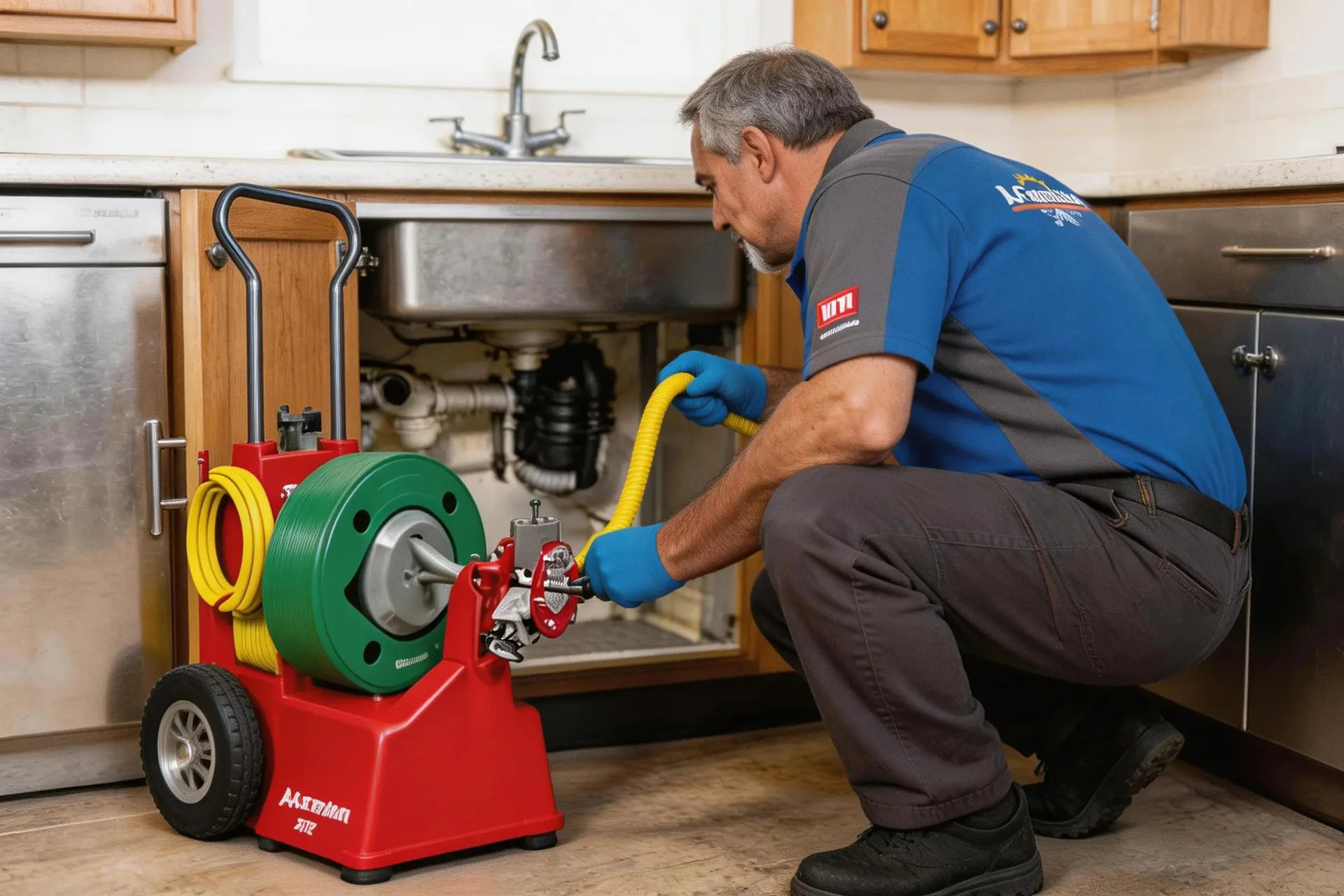
Professional drain cleaning uses advanced equipment and techniques that go beyond DIY methods. Our team can employ high-pressure water jetting to break apart deep-seated blockages, or use mechanical augers to remove tree roots, mineral deposits, and objects lodged far down the line. These professional tools thoroughly clear pipes and help prevent recurring clogs, especially in homes with aging or complex systems.
Another benefit of professional service is the ability to inspect your plumbing visually using high-definition cameras. This process reveals the exact location and nature of the blockage, as well as underlying concerns like corrosion, cracks, or improper connections that may not be visible from the surface. Addressing both immediate clogs and potential long-term issues saves you from repeat problems and gives you confidence in your home’s plumbing health.
Every visit from Fagundes Plumbing Heating AC brings you a team dedicated to courtesy, honest answers, and lasting solutions. We offer same-day service for emergencies, tailor recommendations to your specific situation, and provide peace of mind with a satisfaction guarantee on our work—reflecting the pride we take in serving our community and delivering real value to our customers.
What Should Homeowners Expect from a Trusted Local Plumbing Team?
Choosing a local, family-operated plumbing company gives you a service experience you won’t get from big national firms. At Fagundes Plumbing Heating AC, you can expect personal attention and dedicated care at every step. Our Master Plumber-licensed team members and NATE-certified HVAC technicians arrive in uniform, treat your home with respect, and explain every service before we begin. We provide upfront, transparent pricing and answer all your questions so you can make informed decisions about your plumbing.
We go beyond just fixing the immediate problem by guiding you toward money-saving opportunities like Mass Save rebates, which can offer substantial savings on new energy-efficient systems. Our community ties mean we offer a 10% service discount for military members and seniors, giving back to those who give so much to others. Our leadership’s hands-on, longtime field experience means every project receives focused attention and skilled care.
We maintain an on-site training facility for our technicians, ensuring our team continually learns the latest safe and effective plumbing methods. These measures set us apart from larger, impersonal companies and allow us to deliver tailored, lasting results to homeowners in Massachusetts and New Hampshire. Whenever you need advice or help with a stubborn clog, call (978) 350-5522—we’re always here to help our neighbors enjoy comfort and peace of mind at home.

.2102171106550.png)
.2509220809054.jpg)