

.2509220809054.jpg)
Dealing with persistent drain clogs and worn-out plumbing can be frustrating for any Lowell homeowner. Many families discover that the real cause hiding behind these issues—like slow sinks or frequent appliance repairs—is hard water flowing into their homes. The high mineral content in local water supplies quietly damages pipes and drains, leading to ongoing headaches if left unchecked. Knowing how hard water in Lowell affects your drains and understanding your options helps protect your home, your comfort, and your investment for the long term.
How Does Hard Water in Lowell Affect Drains and Pipes?
Lowell’s municipal water supply naturally contains high levels of minerals such as calcium and magnesium. As water travels through pipes, these minerals stick to the inside surfaces, gradually forming layers of limescale. This mineral scale doesn’t stop at faucets and fixtures—over time, it lines the entire length of your pipes, whether they are copper, galvanized steel, or plastic. This process happens even faster in homes that use heated water often, since warmth speeds up mineral buildup.
As limescale builds, the internal diameter of your pipes shrinks. A narrower pipe allows less water to pass through and increases the risk of slow drains and blockages. Appliances like dishwashers and washing machines may also take longer to fill and drain, using more energy and wearing out sooner. You might notice uneven water pressure or shorter intervals between professional cleanings, all signs that hard water is affecting your plumbing system below the surface.
Hard water problems can sneak up on you because the changes happen gradually. In Lowell, families commonly see scale accumulate at showerheads, around tap openings, and even inside their hot water heaters. These visible signs are only the tip of the iceberg—significant limescale can form inside pipes long before you spot clear damage, silently undermining your plumbing’s efficiency and reliability.
What Are the Most Common Signs of Hard Water Damage in Household Drains?
Recognizing the signs of hard water damage early gives you a chance to stop major plumbing issues before they start. One of the first red flags is a persistent white, chalky coating or crust around faucets, tub drains, and showerheads. This residue shows up where water evaporates, but similar buildup is forming inside your pipes where it’s harder to clean or even see without professional tools.
Changes in how your drains perform also suggest hard water effects. Slow-moving water, recurring clogs even after cleaning, or puddles that take longer to disappear from sinks and tubs often mean mineral buildup is restricting flow. Drain odors, gritty deposits along drains, or a metallic taste in your water are also linked to excess minerals. If lathering soap produces less suds than usual and leaves behind a sticky feel, this is another common sign of high water hardness affecting your entire plumbing system.
Different pipe materials react to mineral accumulation in their own ways. Galvanized steel and copper piping tend to collect buildup faster, while PVC can still suffer scale in high-hardness households. Over time, these materials may stain or corrode around connections, highlighting where maintenance or replacement might be needed. In any home, repeated minor symptoms should not be ignored, as they often signal larger hidden problems related to water quality.
Is Hard Water Causing Drains to Clog or Smell?
Hard water often contributes directly to drain clogs and unpleasant odors in Lowell homes. Accumulated minerals provide a rough surface along pipe interiors. This new texture makes it easier for organic residues—like food scraps, hair, and grease—to stick inside your drains instead of flushing away. Over weeks and months, these layers trap even more debris, creating partial blockages that slow drainage and encourage the growth of odor-causing bacteria.
When water stands still behind these blockages, bacteria feed on trapped organic material, generating offensive odors that waft back up through your fixtures. Kitchens and bathrooms are particularly vulnerable, since the combination of soap, heat, and regular use intensifies both mineral and organic buildup. Standard home remedies for clogs rarely address the mineral scale below the surface, so unpleasant smells and blockages return quickly unless the root cause is treated.
Leaving these problems unresolved creates a feedback loop—clogs build faster, pipes corrode, and the cost of professional repairs climbs higher every year. Preventing smelly or clogged drains starts by managing the effects of hard water before permanent damage takes hold. A combination of drain cleaning, regular maintenance, and, when needed, water treatment can break this cycle and restore healthy plumbing throughout your home.
How Can I Test Water Hardness at Home in Lowell?
Testing your household water’s hardness helps you understand both current problems and long-term risks. At-home water hardness test kits are available at local hardware stores and major online retailers. With these kits, you dip a strip in tap water, wait a short time, and compare the color result to a provided chart. Most kits measure in grains per gallon (gpg) or parts per million (ppm), and Lowell’s water is often classified as “hard” or “very hard” with readings above 7 gpg.
For more precise readings, especially if you plan to upgrade your plumbing or appliances, a certified water testing lab is an excellent choice. Massachusetts’ Department of Environmental Protection maintains a list of state-certified labs where you can send a sample for detailed analysis, including not only hardness but also iron, manganese, and other trace elements that could affect your health or your plumbing. Using lab results to guide your next steps ensures you make informed decisions about water treatment or equipment purchases.
Regular water testing is a smart habit after any major household changes, utility work, or noticeable shifts in water quality. Reliable test results give you baseline information to track improvements over time and justify upgrades—such as water softeners or new fixtures—to local rebate programs. Understanding your water’s specific mineral content puts you in control of your plumbing maintenance, protecting your Lowell home and budget.
What Are the Long-Term Risks of Ignoring Hard Water Problems?
Ignoring hard water effects doesn’t just mean living with minor annoyances; it risks serious, expensive consequences over time. Limescale accumulation causes pipes to slowly clog, reducing water pressure to a trickle and increasing the risk of leaks. These leaks often develop at pipe joints and fittings, which suffer the most stress from reduced flow and mineral packing. Water damage from hidden leaks can stain walls, weaken structural supports, and, if left untreated, lead to major renovations that cost thousands.
Major appliances connected to your plumbing also carry extra risk. Water heaters with heavy scale buildup lose efficiency as minerals insulate heating elements, making them use more energy and deliver less hot water. Dishwashers, washing machines, and boilers break down more frequently in homes with unaddressed hard water—often voiding manufacturer warranties if hardness stays above recommended limits. These breakdowns force premature replacement, adding avoidable costs to household budgets.
Besides the financial impact, health can be a concern. As pipes corrode or roughen with scale, they create pockets where bacteria thrive, especially if water stagnates for any length of time. Families who need reliable, clean water—young children, older adults, or anyone with a compromised immune system—benefit from keeping their plumbing protected from hard water’s hidden threats. Staying proactive about water quality means safe, dependable water for everyone in your home.
Are Water Softeners and Conditioners Worth It for Lowell Homes?
Water softeners and conditioners are effective tools for many Lowell homes facing persistent hard water effects. Salt-based water softeners remove calcium and magnesium through ion exchange, physically removing hardness from incoming water. This solution protects pipes, reduces appliance scale, and eases cleaning tasks throughout the home. Maintenance involves refilling salt and periodic checkups to ensure optimal function, and proper installation is vital for consistent results and long-term savings.
Salt-free conditioning systems take a different approach. These units, sometimes called descalers, restructure mineral ions to keep them suspended rather than allowing them to stick and form scale inside pipes. While they don’t actually soften water, they help limit the worst buildup and make fixtures and surfaces easier to clean. They tend to require less maintenance but may deliver varying results depending on flows and your specific water profile. Water filtration systems are also available and can help protect your plumbing system from some of the mineral content present in Lowell’s water supply.
Homeowners also see magnetic and electronic conditioners on the market. These promise to alter mineral behavior through electromagnetic fields, but scientific support remains mixed. When comparing your options, focus on solutions tested in Massachusetts homes with similar water quality to Lowell. Consulting a licensed plumbing contractor ensures you select a system suited for your house—not just general marketing claims. Knowing your hardness numbers first makes these decisions much easier.
How Do Licensed Plumbers in Lowell Address Hard Water Drain Issues?
Licensed plumbers in Lowell use a step-by-step approach to solve and prevent hard water problems in home plumbing. Every service call begins with a thorough inspection—checking pipe interiors using specialized cameras and testing water for mineral content. Understanding the severity and location of scale buildup allows plumbers to recommend targeted, efficient solutions that save homeowners time and future repairs.
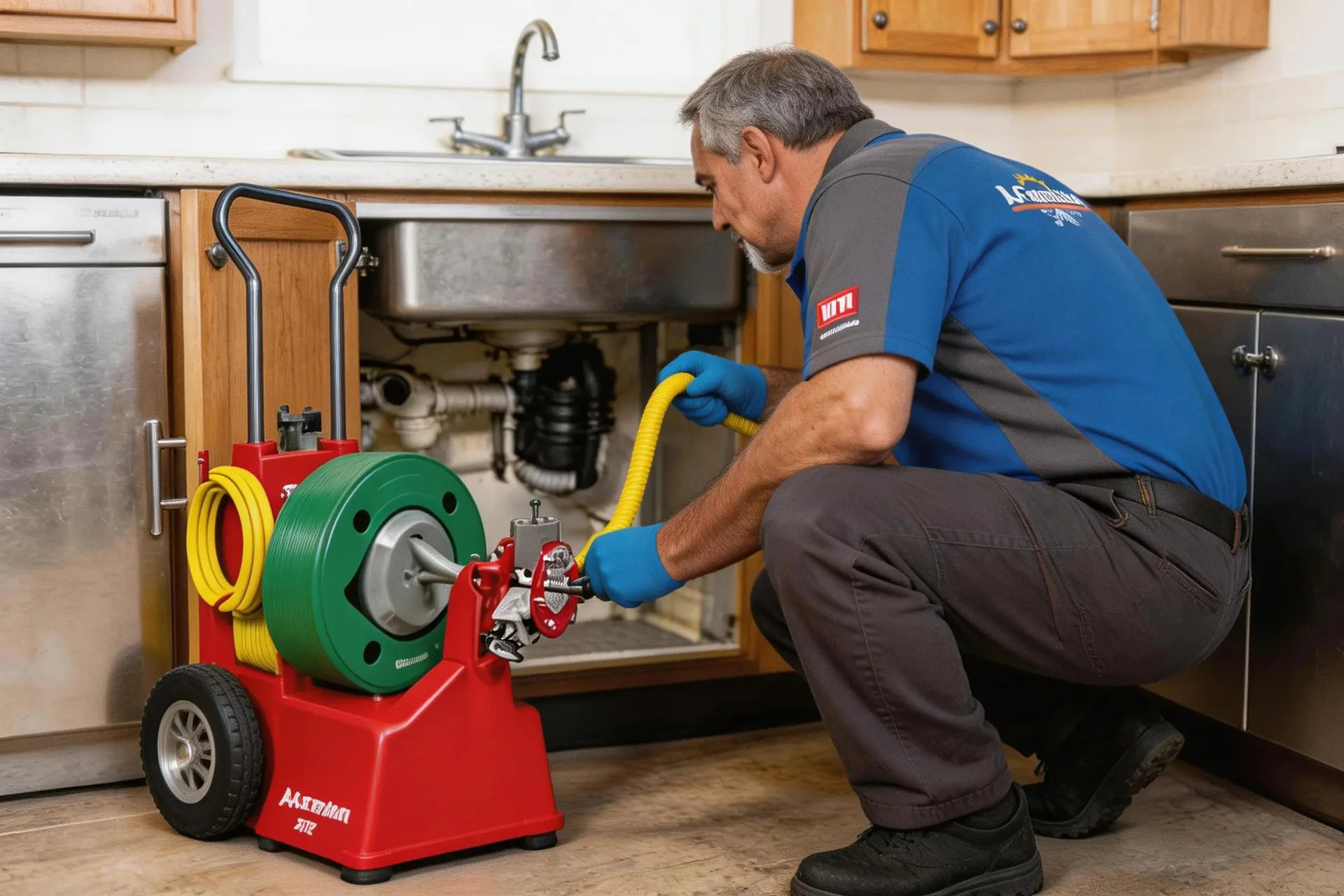
Common treatments include chemical descaling agents that break up hard mineral deposits while protecting pipes from damage. In severe situations, plumbers may suggest hydro-jetting, which uses high-pressure water to scour pipes clean of both limescale and organic waste. After treating active blockages, professionals discuss long-term planning—recommending water softeners, scheduled cleanings, or upgraded fixtures as needed for ongoing protection.
Choosing a family-owned, local company such as Fagundes Plumbing Heating AC comes with extra benefits. The team brings deep experience serving homes in the Lowell area, keeping up with city codes and water quality trends. Clear explanations, respectful service, and transparent pricing are core values—they focus on earning trust, not just completing a job. Homeowners value the long-term support and community commitment that only a dedicated local team can provide.
What Can Homeowners Do to Reduce Hard Water Impact on Plumbing?
If you are concerned about hard water in your Lowell home, there are practical steps you can take for immediate relief and long-term savings. For visible scale, use cleaners formulated to dissolve mineral buildup on faucets and fixtures—these products are available at most supermarkets and hardware stores. To help maintain clear drains, periodically flush with a warm vinegar solution, but check compatibility with your specific piping before using any home remedies.
Integrating a few key habits protects your plumbing between professional visits:
- Install drain screens in sinks and showers to keep hair, food, and other debris away from mineral-lined pipe walls.
- Use faucet aerators and flow restrictors to minimize water speed and reduce new scale formation.
- Rinse fixtures after use—especially in bathrooms—to limit surface drying where minerals settle.
By tackling minor buildup at home and watching for early warning signs, you can delay the need for drain cleaning or more extensive repairs. Scheduling occasional plumbing inspections remains a smart move, as these visits catch problems before they escalate and help you budget for larger upgrades over time.
Many utility providers and community programs offer rebates and incentives for water-efficient appliances as well as water softener installations. Taking advantage of these opportunities helps you improve your plumbing today and keep your water bills lower in the future. For Lowell families, combining at-home upkeep with professional guidance brings both immediate relief and lasting peace of mind.
Why Choose a Local, Family-Owned Plumbing Team for Hard Water Problems?
Partnering with a family-owned plumbing business for hard water issues brings a level of service and understanding not found with larger corporate chains. Local teams such as Fagundes Plumbing Heating AC know Lowell’s unique water profile, local plumbing codes, and community concerns. This real-world experience translates into solutions that fit your needs, rather than one-size-fits-all fixes designed elsewhere.
Because these teams are rooted in the community, they prioritize customer relationships and satisfaction on every call. Households benefit from clear pricing, personal attention, and honest, straightforward advice. From the first phone conversation to the follow-up after a service visit, respectful communication and genuine care are central to a family-owned plumber’s reputation and mission.
These local companies often partner with respected suppliers and keep up with the latest industry training, ensuring customers access advanced water treatment options and cutting-edge maintenance techniques. With every visit, you gain the knowledge and peace of mind that your plumbing system is being cared for by technicians who live and work in the same community you do. This commitment to local families helps create long-lasting solutions for hard water problems and every other plumbing challenge your home might face.
Where to Find Water Quality Resources and Rebates for Lowell Residents
Lowell homeowners have several helpful resources for monitoring their water quality and saving on plumbing upgrades. The Mass Save program provides rebates and incentives for qualifying water softeners, efficient appliances, and plumbing improvements. Eligible homeowners may access substantial financial rebates to make these systems more affordable.
The City of Lowell Water Utility Department publishes annual water quality reports and provides updates on local water sources. Reviewing these reports helps you learn about your home’s specific mineral levels and track any seasonal changes. Several certified independent labs in Massachusetts can analyze your water in detail, advising you on both hardness and any other potential contaminants requiring attention.
When exploring water treatment systems or major upgrades, seek out family-run plumbing teams like Fagundes Plumbing Heating AC who are familiar with rebate programs and local resources. By combining trusted, local advice with official city and state information, Lowell homeowners can make choices that improve water quality and comfort while maximizing available savings. To discuss your options or schedule a service visit, reach out to Fagundes Plumbing Heating AC at (978) 350-5522 today.

.2102171106550.png)
.2005051115550.jpg)