.2005051115550.jpg)
If you’re like most homeowners in Lowell, a slow drain can feel like a disaster waiting to happen. Clogs and slowdowns from hair, soap scum, grease, or mineral buildup crop up in Massachusetts homes year-round. With the right DIY drain tools and a little know-how, you can tackle most everyday plumbing issues confidently, protect your pipes, and avoid pricey emergency calls. At Fagundes Plumbing Heating AC, we believe DIY should mean peace of mind. That's why we want you prepared with the best tools, techniques, and answers to the real questions Lowell homeowners face.
Must-Have DIY Drain Tools for Lowell Homeowners
Every home will face a clogged drain eventually, whether in the kitchen, bathroom, or basement. The right tools make all the difference. A reliable plunger stands at the top of the list—choose a flange plunger for toilets, which fits snugly for maximum suction, and a flat-cup plunger for sinks and tubs. Ensuring the right match prevents air leaks and helps unclog drains more quickly.
Manual drain snakes, often called hand augers, are invaluable for blockages that plungers can’t budge. They come in varying lengths and are designed to reach deep into pipes, dislodging hair, food debris, or harder clogs. For bathroom sinks and showers, plastic zip-it style hair removal tools can pull out tangled buildup near the drain entrance quickly and safely. Always choose sturdy, high-quality products; flimsy tools can break, worsening the clog or getting stuck.
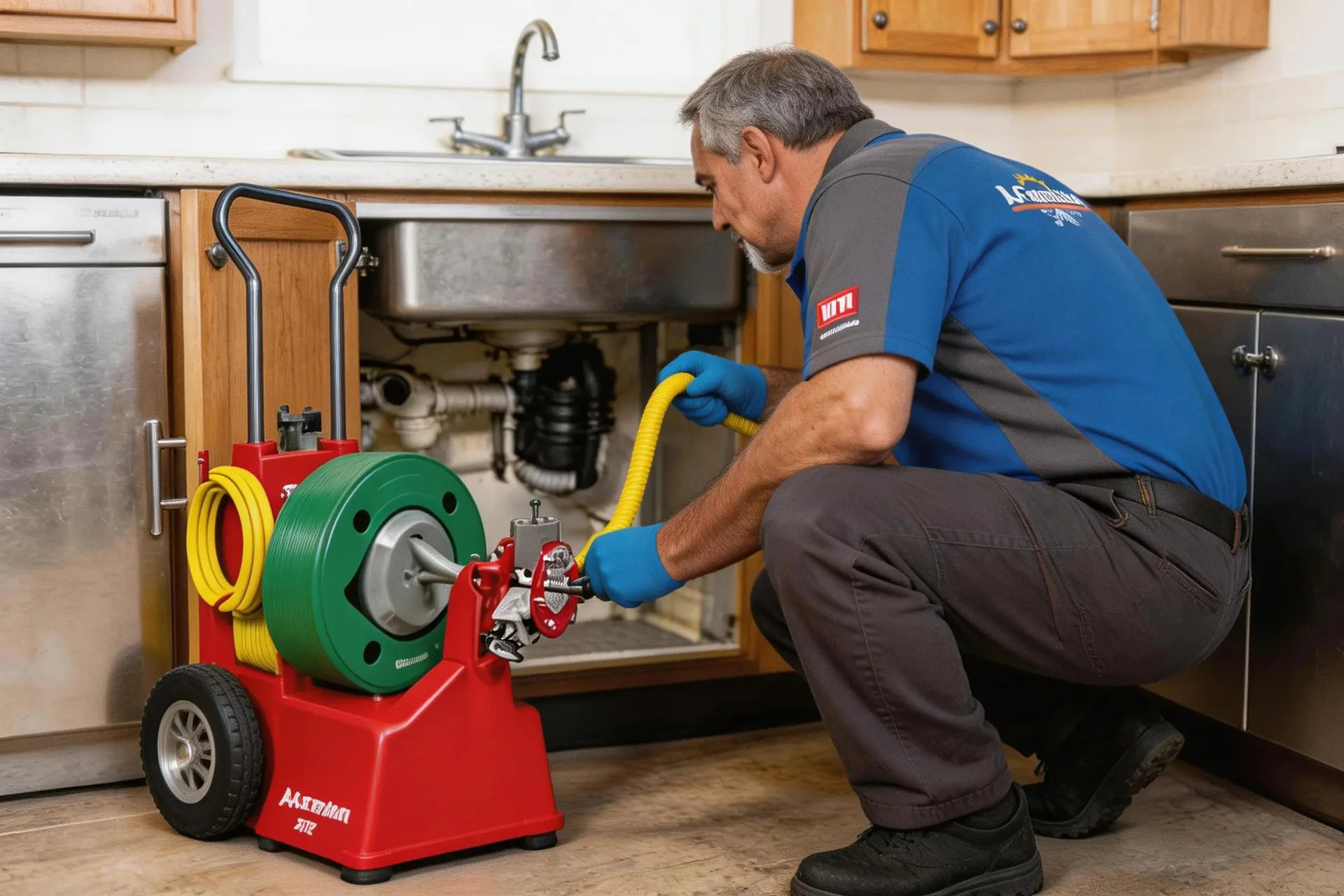
If you live in an older Lowell home with galvanized or cast iron pipes, consider a hand-crank auger or a small power snake. These tools offer more power and flexibility for stubborn or deeper clogs, but always check your tool’s compatibility with your pipes. Using the wrong equipment could damage your plumbing or even cause leaks—something no homeowner wants to face unexpectedly.
How to Choose the Right Drain Tool for Every Clog Type
Most clogs are not one-size-fits-all—the right drain tool depends on both the location and what’s causing the blockage. Kitchen sinks often collect food scraps and grease, which respond best to a robust plunger or a handled drain brush. Bathroom sinks, tubs, and showers face hair and soap residue, so a zip-it tool or slender snake is ideal for these shallow, sticky obstructions. Assess the source before choosing your approach for safer, more effective results.
Tool selection changes with the fixture. Toilets require flanged plungers for a tight seal, while flat-cup plungers best serve open surfaces like sink and tub drains. Basement floor drains, notorious for serious backups, often demand longer, sturdier snakes—or professional equipment for the toughest situations, like roots or heavy buildup. Trying to force a small, plastic tool into a complicated backup could waste time or damage your pipes.
Homes in Lowell frequently struggle with hard water mineral buildup, especially in older neighborhoods. For clogs caused by mineral deposits, use a flexible cable snake topped with a small scraper or brush. Avoid forcing stiff tools through tight bends; this risks scraping or puncturing the pipe. Always assess your clog, fixture, and pipe material carefully to make the best—and safest—tool choice for your situation.
Effective & Safe Plunger Use on Old and New Plumbing
It’s easy to assume plunging is always safe, but improper technique damages fixtures or worsens blockages, especially in older homes. Begin by selecting the correct plunger type and ensuring the cup is fully submerged in water. This creates a tight seal, which is crucial for effective suction. Press down gently to remove air, then use steady, firm thrusts—typically 15 to 20 seconds per attempt. Overly aggressive plunging risks cracking porcelain or loosening joints, particularly in vintage systems.
For sinks and tubs, cover the overflow holes with a damp rag to boost pressure. This keeps suction focused directly on the clog, rather than letting air escape. Always avoid plunging right after using a chemical cleaner—the residual solution can splash and pose a hazard. Make sure the area is clear of chemicals and well-rinsed before you start. If you’re working on an older fixture or see signs of wear, moderate the pressure and check for leaks as you go.
Once you’ve plunged, let water run to see if the issue is cleared. If not, repeat the process or switch to another method. When the blockage persists after several tries, or if clogs keep returning, this hints at a deeper issue. Plungers work best for surface clogs; recurring problems often require a snake or a plumber’s help. The right approach keeps your plumbing safe and saves you from a bigger headache down the road.
How to Correctly Use a Drain Snake or Auger
Drain snakes and augers can resolve persistent clogs, but misuse can damage even the most durable pipes. Before you begin, remove visible stoppers or covers. Gently insert the snake into the drain, turning the handle clockwise to navigate bends and push past curves. When you meet resistance, don’t force it—instead, keep twisting until you feel the clog. Once you connect with the blockage, work the cable back and forth to grab or break up the debris.
If you feel the snake snag or bind, slowly retract it and clean off any attached materials before reinserting. For tougher or deeper clogs, a powered auger may be needed, but these are best for confident DIYers or professionals because they can cause injury if handled improperly. Powered models always require gloves and attention to cable movement to avoid injury or further pipe problems. When the snake brings out debris, flush the drain with hot water to clear loose residue and test for continued sluggishness.
Proper care keeps your snake or auger functional for the next project. For rust-prone models, dry thoroughly and coil the cable loosely when storing. If a snake becomes stuck or you find water backing up across multiple fixtures, stop immediately and contact a professional. In tightly packed, aging Lowell homes, pushing the limits can mean expensive plumbing repairs—knowing when to stop is just as important as knowing where to start.
Important Safety Steps Before DIY Drain Cleaning
Safety should always come first when working on your home’s plumbing. Start by inspecting the area for leaks, standing water, or soft spots around fixtures. If you find any signs of water damage—or if you’re unsure about a repair’s history—use extra caution. Always wear rubber gloves to protect your hands from bacteria, grime, and any chemical residue that may linger from past cleaning attempts.
If you’ve used a chemical cleaner recently, flush the system thoroughly with cold water before switching to physical tools like plungers or snakes. Never mix different drain cleaners, as this may cause dangerous chemical reactions and release toxic fumes. Keep a bucket and towels on hand to contain spills or overflows, particularly when disconnecting traps or unclogging lower-level drains prone to backup.
Each home’s plumbing is unique, especially in older Lowell neighborhoods with galvanized steel or cast iron pipes. Older systems may withstand less force than PVC pipes, so gentle handling and careful tool selection are important. Always supervise the project—never leave tools or cleaning supplies unattended near children or pets. Taking these precautions helps keep your plumbing intact and your family safe.
What to Do When Chemical Drain Cleaners Fail
When chemical drain cleaners don’t solve the problem, continued efforts often make matters worse. Overusing chemicals can damage the inside of your pipes, weaken joints, and even create harmful fumes. If you’ve tried a product once or twice without success, stop further chemical use. Persistent clogs often involve hair, soap scum, or small objects that chemicals can’t reach; in these cases, mechanical options like snakes or zip-it tools offer better results without risk of pipe damage.
Safe, natural alternatives are sometimes effective for slower buildup. Try pouring half a cup of baking soda followed by half a cup of vinegar down the drain. Let the mixture sit for fifteen minutes, then flush with hot water. While this can help with light organic buildup, it won’t move solid objects or severe mineral deposits. If water continues to drain slowly or you notice foul odors and bubbling sounds, your clog is likely beyond reach for both chemicals and home remedies.
At this stage, don’t keep trying new products or forcing tools into the line. Repeated use may corrode older metal pipes or drive the blockage deeper, increasing the risk of a burst or leak. At Fagundes Plumbing Heating AC, we’ve found that timely intervention—not over-the-counter products—prevents emergencies and costly repairs. When home efforts aren’t enough, calling a professional is often the safest and most economical next step.
Routine Drain Maintenance Tips for Lowell Households
Regular drain care is the simplest way to avoid the frustration of sudden clogs and emergency plumbing visits. Seasonal changes in Massachusetts, such as freezing winters and wet springs, put unique stress on local pipes. Without consistent maintenance, hair, grease, soap, and minerals build up, eventually leading to serious blockages. By adopting a few monthly habits, you can prevent most drain trouble before it starts.
In the kitchen, make a habit of running hot water after meals to clear fats and food debris from the drain. Regularly remove and clean stoppers or strainers to prevent buildup. In bathrooms, clear out hair traps and remove gunk from overflow areas on a weekly basis. For basement and floor drains, pour a gallon of water or a diluted cleaner every one to two months to keep traps wet and block sewer odors. Enzyme-based drain additives, used monthly, can help break down organic material without damaging your pipes.
Sticking to these simple routines makes your plumbing more reliable and lengthens the lifespan of your system. At Fagundes Plumbing Heating AC, we’ve seen that proactive homeowners rarely face plumbing emergencies, and routine checkups virtually eliminate the stress of clogged drains. Taking preventative care puts you in control and keeps surprises at bay year-round.
How Hard Water and Lowell’s Local Conditions Affect Your Drains
Lowell’s hard water presents unique challenges to drains and plumbing tools alike. Mineral deposits from calcium and magnesium can restrict pipe openings and slow drains—significantly more so in homes that lack water softeners. Over time, you’ll notice white or greenish residue around faucet heads or inside clear traps, a visible sign of scaling that impacts drain health and tool effectiveness.
When addressing hard water-related clogs, choose flexible cable snakes or brushes with abrasive tips that can gently scrape away scale without scratching the inside of pipes. Avoid forcing rigid tools through mineral-tightened pipes, as aggressive methods may crack galvanized or older cast iron lines common in the region. Whenever possible, use products designed specifically for mineral buildup for better, longer-lasting results.
Ongoing maintenance can keep scaling under control. Consider a routine flush of pipes with diluted vinegar—safe for most pipe types—or speak with a professional about descaling products suited to your plumbing material. If you notice persistent scale, consult with Fagundes Plumbing Heating AC about water purification or softener options, both of which may dramatically improve your plumbing’s performance and protect your investment for years to come.
When to Call a Licensed Local Plumber for Drain Issues
Recognizing the line between DIY and professional help keeps your home safe from escalating plumbing troubles. If a clog returns after several attempts with a plunger, snake, or safe chemical cleaner, that signals a deeper or more complex problem. Backups that affect multiple fixtures, like both your kitchen sink and a basement drain, often point to main line blockages—these require advanced tools and diagnostics that typical DIY kits can’t provide.
Be alert to warning signs such as water stains around bases of sinks or toilets, soft flooring, or corroded pipe fittings. These may indicate chronic leaks or structural plumbing issues better handled by a licensed plumber. It’s easy to unintentionally worsen such issues with repeated plunging or incompatible tools.
At Fagundes Plumbing Heating AC, our licensed, uniformed team has helped Lowell homeowners with tough drain problems since 2003. We offer upfront pricing, prompt arrivals, and a satisfaction guarantee on all work. Calling in the professionals early on helps prevent emergencies and can save you from expensive water damage or unexpected messes. When in doubt, reach out by phone at (978) 350-5522—sometimes, a quick conversation is all it takes to decide your next steps.
Where to Find Reliable DIY Drain Tools in Lowell
The right tools help you manage plumbing care confidently. Quality plungers, snakes, augers, and hair removal kits are readily available at Lowell’s local hardware stores and home improvement centers. When shopping, look for trusted brands known for durability. Ask about warranties or return policies—tools with solid guarantees often last longer, and buying from reliable suppliers ensures replacement parts are available if you need them.
Compare tool features such as handle comfort, cable flexibility, and rust-proof materials to match your specific needs. Multipacks of single-use hair pullers can save time and money if you frequently battle bathroom blockages. Tool rentals for high-grade augers are a budget-friendly option when you’re dealing with a rare or tough clog, easing the need for a large upfront investment.
If you’re ever unsure, consult with a professional about what tools make most sense for your situation. The team at Fagundes Plumbing Heating AC stays up to date on reliable and effective options for Lowell homes, and we’re happy to help you select equipment suited for your drains and fixtures. Stocking up smartly lets you stay prepared and keep your drains flowing smoothly between professional visits.
Taking care of minor clogs yourself puts you in charge of your home’s plumbing health. By choosing the right tools, using safe and effective methods, and understanding when to call for backup, you build confidence—and keep your Lowell home comfortable year-round. When a drain issue proves more than a DIY fix, call Fagundes Plumbing Heating AC at (978) 350-5522 for friendly, local, and trustworthy help whenever you need it.

.2102171106550.png)