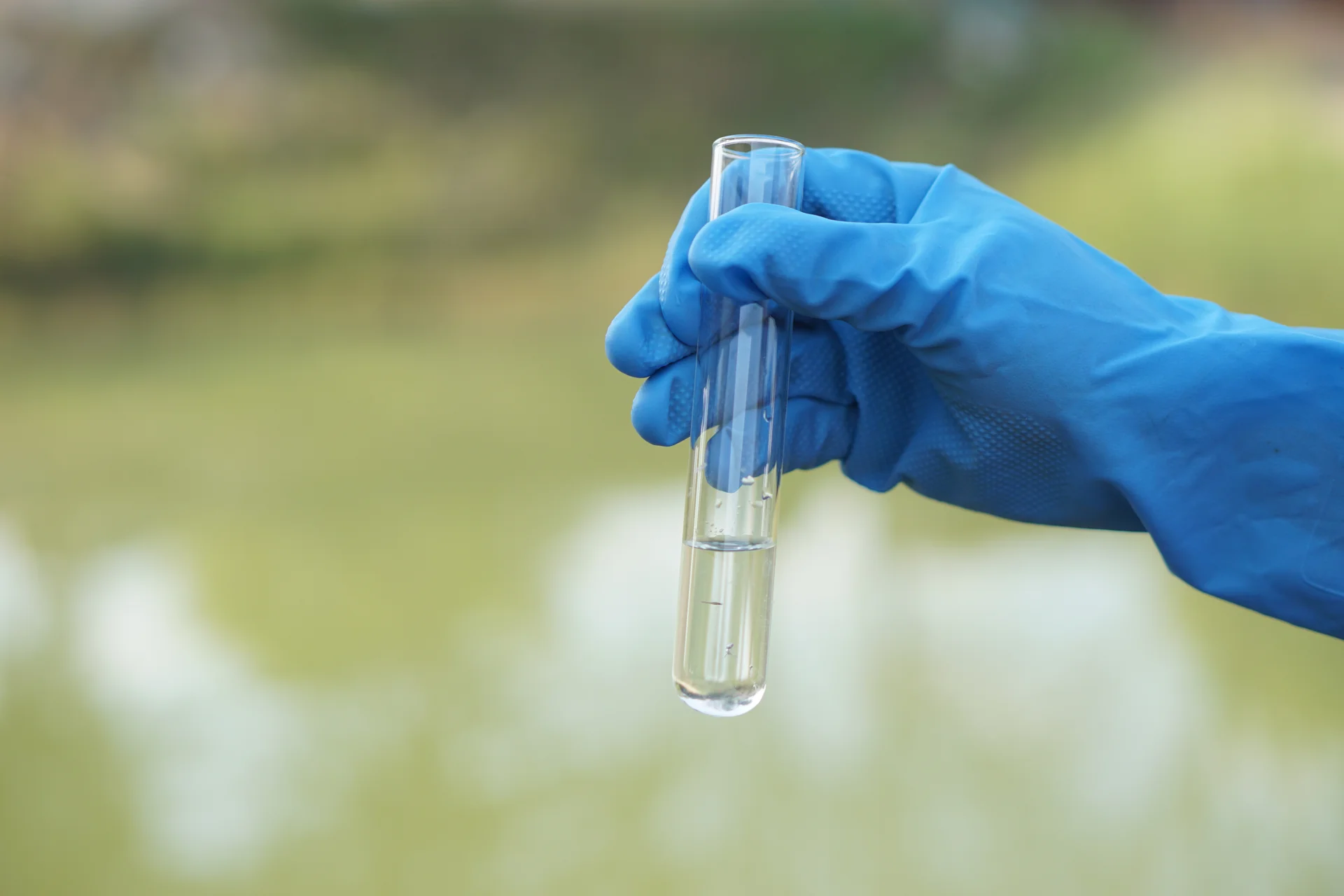

When we turn on our kitchen taps in communities like Lowell, Dracut, Chelmsford, and Peabody, we trust that our municipal water supply is safe and clean. Our local water departments do an incredible job using chlorine to disinfect our water and kill off dangerous bacteria and viruses. However, this essential disinfection process can trigger an unintended chemical reaction that leaves behind microscopic byproducts known as Total Trihalomethanes (TTHMs). Understanding how these invisible compounds form in our local municipal grid is the first step toward securing the crisp, pristine drinking water your family deserves.
What Are TTHMs and Why Are They in Municipal Water?
Total Trihalomethanes are a group of four environmental chemicals that form when chlorine—the primary disinfectant used by local water treatment plants—mixes with naturally occurring organic matter in the raw water source. Because our Merrimack Valley and North Shore communities rely heavily on surface water sources such as rivers and ponds, the water naturally contains organic materials, including decaying leaves, soil, and plant matter. When the city adds chlorine to sanitize this water, the chemical reaction instantly creates TTHMs as a byproduct.
While municipal plants work diligently to keep these levels below the legal limits set by the EPA, several local factors can cause TTHM levels to spike:
Warm Summer Temperatures: Chemical reactions speed up significantly in warmer weather, leading to higher TTHM levels in town water during the hot summer months.
Heavy Runoff and Storms: Heavy New England rains wash excess organic debris, leaves, and soil into our rivers and reservoirs, giving the chlorine more organic matter to react with.
Water Age in the Main Lines: The longer treated water sits traveling through miles of municipal distribution pipes before reaching your neighborhood, the more time TTHMs have to form and accumulate.
Inhalation and Skin Absorption: TTHMs are highly volatile, meaning they don't just affect your drinking water—they can easily evaporate into the air during a hot shower or bath and absorb through your skin.
Simple and Effective Treatment Options for Your Home
The good news is that you do not have to settle for just "acceptable" municipal water quality when it comes to your family's health. You can easily remove these disinfection byproducts right at home with targeted filtration methods that capture what city treatment plants leave behind.
Depending on your budget and how you use water in your household, here are the most reliable ways to eliminate TTHMs:
Activated Carbon Block Filters: High-quality carbon filters are exceptionally effective at absorbing and trapping TTHMs, chlorine tastes, and odors right at your kitchen tap or refrigerator line.
Reverse Osmosis Systems: Combining multi-stage carbon filtration with a specialized semi-permeable membrane, an under-sink reverse osmosis system strips out TTHMs along with heavy metals and modern chemical impurities.
Whole-House Carbon Filtration: If you want to prevent your family from breathing in vaporized TTHMs during hot showers, a whole-house carbon system scrubs the water as it enters your home, ensuring every tap is clean.
Fix It With Fagundes
Maintaining your household water quality does not have to be a stressful guessing game. Our close-knit family team at Fagundes Plumbing Heating AC has spent nearly two decades helping our neighbors test their water and find the perfect, honest filtration setups for their specific budgets. We treat your home with the exact same care we would use for our own children, providing clear answers and upfront pricing every step of the way. If you want to make sure your tap water is as pure, fresh, and healthy as possible, give your local neighbors a call today at (978) 350-5522 to chat about your options.