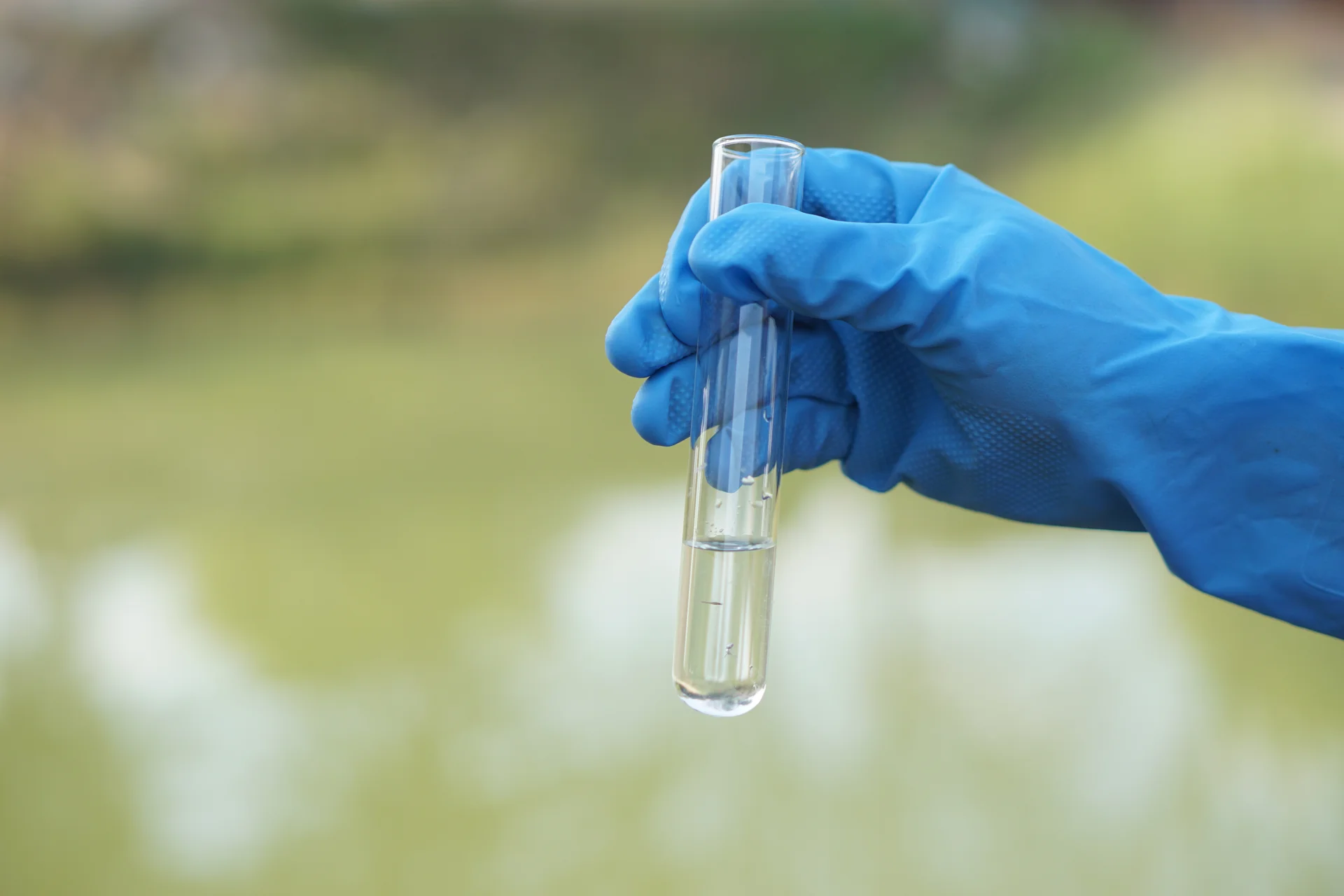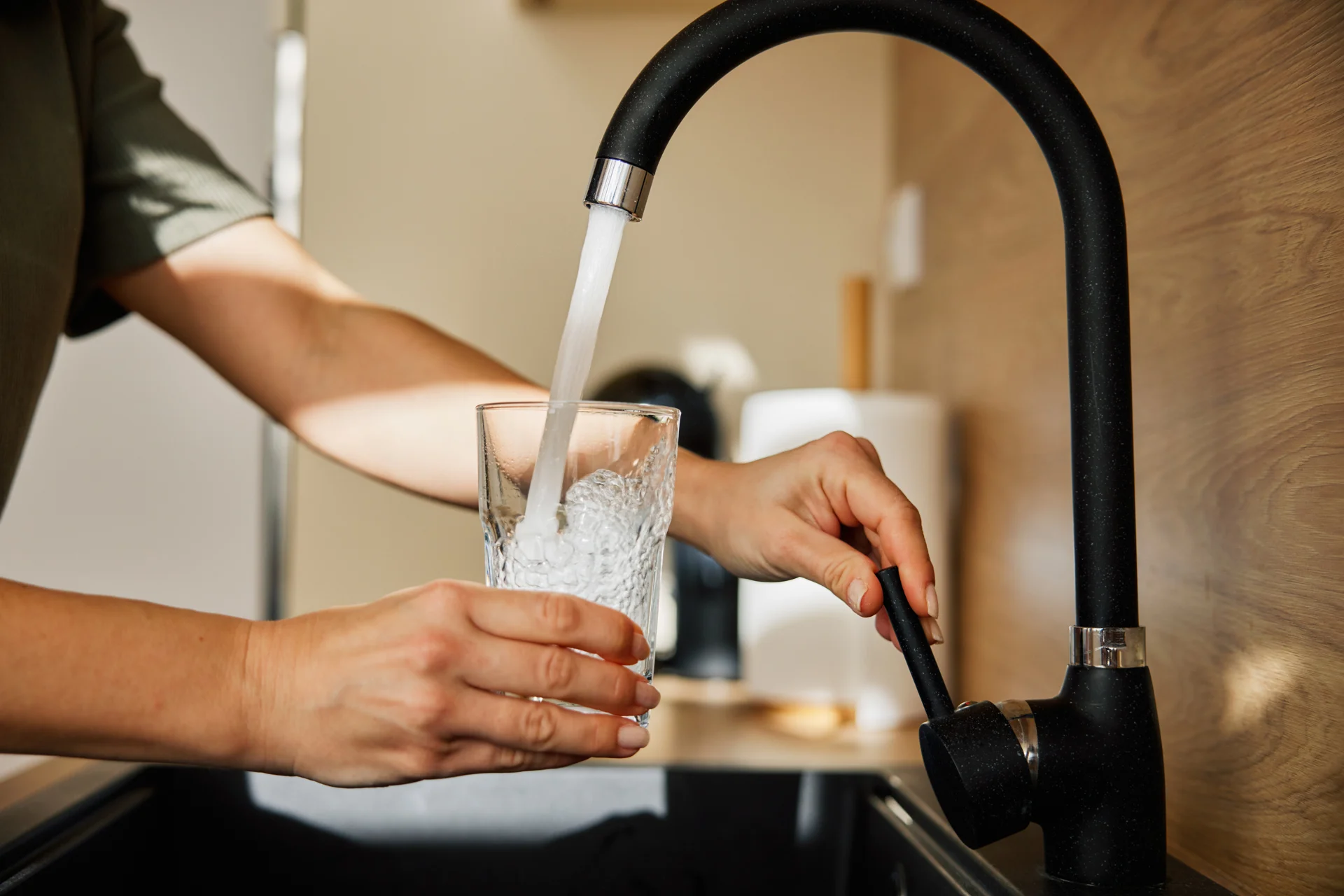


The Merrimack River is the absolute lifeblood of our region, winding beautifully through our towns and shaping the history of communities like Lowell. For hundreds of thousands of local residents, it is also the primary source that flows from the kitchen tap. While our local municipal facilities work incredibly hard to clean and filter this massive water source, the river faces unique, modern environmental challenges before it ever reaches the city treatment plants. Understanding how this water travels from the riverbed to your glass is the first step in ensuring your family always has access to the cleanest, healthiest water possible.
The Reality of Local Contaminants in Our Water
Because the Merrimack River spans multiple industrial and residential areas in Massachusetts and New Hampshire, it naturally picks up a variety of runoff along its course. While city water treatment plants successfully eliminate the majority of immediate biological threats, trace impurities can still slip through the grid or leach into your supply from older underground pipes.
Here are the most common contaminants found in our local river source:
Stormwater Runoff: Heavy rains frequently wash road salts, motor oil, and urban debris from local streets into the river.
Agricultural and Lawn Chemical Runoff: Fertilizers and pesticides from nearby fields and suburban lawns easily enter the water basin.
Industrial Byproducts: Trace amounts of heavy metals and modern chemical compounds, like PFAS, linger from old and current manufacturing hubs along the river.
Aging Infrastructure Leaching: Even after water is treated by the town, it can still absorb rust or trace metals as it travels through older local distribution mains to your home.
Simple and Effective Treatment Options for Your Home
Fortunately, you do not have to settle for just "good enough" when it comes to what your family drinks, cooks with, and bathes in every day. Implementing a personalized home water treatment strategy is an excellent way to catch those tiny, stubborn impurities that municipal systems might miss.
Depending on your household needs, here are the best ways to protect your water quality:
Under-Sink Reverse Osmosis Systems: These point-of-use filters excel at removing microscopic chemical compounds, heavy metals, and off-tastes right at your kitchen tap.
Whole-House Water Filtration: This method cleanses the water the moment it enters your property, ensuring every shower, bath, and laundry load is free of harsh sediments and chlorine.
Dedicated Water Softeners: If river minerals or treatment chemicals are making your water hard, a softener protects your plumbing fixtures and keeps your skin from drying out.
Fix It With Fagundes
Maintaining your household water quality does not have to be a stressful guessing game. Our close-knit family team at Fagundes Plumbing Heating AC has spent nearly two decades helping our neighbors test their water and find the perfect, honest filtration setups for their specific budgets. We treat your home with the exact same care we would use for our own children, providing clear answers and upfront pricing every step of the way. If you want to make sure your tap water is as pure, fresh, and healthy as possible, give your local neighbors a call today at (978) 350-5522 to chat about your options.