
Lowell AC Repair
Helping Keep Your Air Conditioner Running Smoothly
Keeping your air conditioning system running smoothly is essential for staying comfortable during the warm spring and summer months. So when your air conditioner starts to break down, it can create a host of problems for your comfort. That’s when you should call the HVAC pros at Fagundes Plumbing Heating AC. Whether you're dealing with a minor issue or require more extensive repairs, we are equipped to address any issues you may be having with your air conditioner, giving you peace of mind knowing that the job is done right!
When to Call for Air Conditioner Repair
An essential part of caring for your AC system is making repairs promptly. If you are having issues with your air conditioner, or if a repair issue is uncovered during your seasonal maintenance appointment, it is recommended that you make the repair sooner rather than later. Ignoring an air conditioning repair issue can result in more extensive damage and the need to replace your AC prematurely.
Warning Signs That Your AC Needs Some TLC Include:
- Your home is generally uncomfortable, regardless of what temperature you set
- The air conditioner struggles to maintain a stable temperature
- There are hot and cold spots in your home
- Your AC unit is making strange sounds
- The AC either runs continuously or won’t turn on at all
- You notice leaks around the AC unit
- Your utility bill has increased, and you can’t explain why
If you notice any of the above signs, you should contact Fagundes Plumbing Heating AC. Our AC repair experts in Lowell will perform a thorough inspection of your system, identify and diagnose what your issue is, and provide you with all of your repair options. We will never pressure you to buy products or services you do not need.
Contact our Lowell air conditioning team at (978) 350-5522 for a qualified repair today!





What to Know About Refrigerant Leaks
Your air conditioner doesn't consume refrigerant — it circulates the same charge through a closed loop, season after season. When refrigerant levels are low, it almost always means there's a leak somewhere in the system. Refrigerant leaks are one of the most common AC repair issues Lowell homeowners face, particularly as systems age and copper coils wear over time. Left unaddressed, a refrigerant leak doesn't just reduce your comfort — it puts extra strain on the entire system and can cause the compressor to fail prematurely.
Lowell's warm, humid summers create exactly the conditions where refrigerant problems become most noticeable. When your system is working hardest during July and August heat waves, low refrigerant makes it nearly impossible to maintain a comfortable temperature inside your home.
Refrigerant leaks aren't always obvious, but your system will give you signals. The most common indicators include:
- Your home feels warm or humid even with the AC running continuously. Low refrigerant reduces the system's ability to remove heat and moisture from the air, so your home never quite reaches the set temperature — and the air feels sticky even when the unit is on.
- Ice buildup on the indoor or outdoor unit. When refrigerant levels drop, the evaporator coil gets too cold and ice forms on the coils or copper lines. You may notice ice collecting on the refrigerant line leading into the indoor unit, or frost on the outdoor coil itself.
- A hissing or bubbling sound near the unit. These sounds can indicate refrigerant escaping from a crack or pinhole in the copper tubing or at a connection point. Hissing typically points to a gas-phase leak; bubbling often suggests liquid refrigerant escaping near a joint.
- Your utility bills have climbed with no clear cause. A system running low on refrigerant has to work much harder and run much longer to reach the target temperature, which drives up energy consumption noticeably.
- Higher than usual humidity indoors. Refrigerant plays a direct role in the dehumidification process. When levels are off, your system loses its ability to properly manage indoor humidity — a significant concern in Lowell's summer months when outdoor humidity regularly runs high.
If you're noticing any of these signs, it's important to call a qualified air conditioning repair technician promptly. Refrigerant handling is regulated under EPA Section 608 requirements, which means it must be recovered and recharged by a certified technician — not topped off without locating and repairing the source of the leak first.
Our Refrigerant Leak Repair Process
At Fagundes Plumbing Heating AC, we don't simply add refrigerant and send you a bill. Recharging a system without addressing the leak means the refrigerant will escape again, often faster.
- Our technicians start with a thorough leak detection inspection, which includes pressure testing the refrigerant lines, checking coil connections, and inspecting the service valves and fittings where leaks most commonly develop.
- Once the leak is located, we walk you through the repair options — whether that's sealing a minor joint leak, replacing a damaged section of copper tubing, or, in the case of a leaking evaporator coil, discussing replacement versus repair based on the age and condition of your system.
- Only after the leak is resolved do we recharge the system to manufacturer-specified levels and verify system performance before we leave.
AC Compressor Problems
The compressor is the heart of your air conditioning system. It pressurizes the refrigerant and drives it through the system, making the heat exchange process possible. When the compressor fails or begins to fail, the entire system loses its ability to cool — and in most cases, the compressor is the single most expensive component in a central air system. For Lowell homeowners, understanding what compressor problems look and sound like can mean the difference between catching a developing issue early and facing a full replacement.
Common air conditioning compressor issues include:
- Hard starting or failure to start. If your outdoor unit struggles to start up — making a brief grinding or chattering noise before shutting off — the compressor may be drawing too much electrical current on startup. This is often caused by a failing capacitor or contactor, which are relatively inexpensive repairs. Catching these electrical component failures early can extend the life of the compressor significantly.
- Loud clanking, rattling, or banging from the outdoor unit. When internal compressor components — such as the pistons or connecting rods — begin to wear or break, they produce metallic noises that are distinctly different from normal operation. These sounds warrant an immediate inspection, as continued operation with internal damage accelerates the damage rapidly.
- The outdoor unit runs but the air inside stays warm. If the condenser fan is spinning and the unit appears to be running, but the air coming from your vents is room temperature rather than cool, the compressor is likely not building pressure. This symptom, combined with an unusual absence of vibration from the outdoor unit, often points directly to compressor failure.
- Tripping breakers or repeatedly blowing fuses. An electrical fault within the compressor can cause it to draw excessive amperage, tripping the circuit breaker on the AC disconnect or at the main panel. If your AC breaker trips repeatedly, don't keep resetting it without a professional diagnosis — this can cause additional electrical damage.
- Oil stains or refrigerant residue near the outdoor unit. Compressor seals can fail and allow refrigerant oil to seep out, often leaving a visible oily residue around the compressor housing or on nearby surfaces. This type of seal failure typically accompanies a refrigerant leak and should be evaluated as part of a full system inspection.
Call (978) 350-5522 or reach out to us online to set up an appointment for AC repair in Lowell or the surrounding areas.
AC Repair FAQs in Lowell
Why Is My Air Conditioner Not Cooling?
One of the most common issues air conditioners experience is a lack of proper cooling. This can be caused by a variety of factors, ranging from clogged filters to refrigerant leaks or faulty components. Without a proper inspection, however, it can be difficult to determine what’s causing your AC unit’s performance to suffer.
Other Possible Reasons Why Your AC Is No Longer Cooling:
- Your thermostat has been set or calibrated incorrectly
- Your air conditioners condenser coils are dirty
- Your ductwork is damaged, which is causing air leaks
- Your system’s evaporator coils are frozen
- Your AC compressor is faulty
- Your air conditioner’s fan is damaged
If you're experiencing problems with your air conditioner not cooling effectively, it's important to enlist the help of a qualified Lowell air conditioner repair professional who can diagnose the specific source of the problem to perform the necessary repair.
Why Is My AC Unit Making Strange Noises?
When strange noises emanate from an air conditioning unit, it can signal potential issues that require attention to ensure optimal performance and prevent costly repairs. Understanding these noises is crucial for homeowners to address problems promptly and maintain the efficiency of their cooling systems. Various types of AC noises can indicate different underlying issues, ranging from minor problems to more serious malfunctions.
Types of AC Noises & What They Mean:
- Buzzing or Humming: These noises often indicate loose or damaged electrical components, such as wiring or contactors. Ignoring them can lead to electrical failures or system breakdowns.
- Clanking or Banging: Loud, metallic noises may suggest loose or broken parts within the compressor or blower assembly. Ignoring this can result in further damage and potential system failure.
- Squealing or Screeching: High-pitched sounds are typically associated with issues with the fan motor or belt. A worn-out belt or lack of lubrication can cause these noises and should be addressed promptly.
- Clicking or Tapping: Clicking sounds during startup or shutdown are usually normal. However, continuous clicking may indicate a defective thermostat or relay, requiring professional attention.
- Hissing or Whistling: These noises often signal refrigerant leaks or problems with the ductwork. Refrigerant leaks can lead to decreased cooling efficiency and should be addressed immediately to prevent further damage.
By recognizing these AC noises and understanding their potential implications, homeowners can take proactive measures to address issues before they escalate, ensuring the continued comfort and efficiency of their cooling systems. Regular maintenance and prompt repairs by qualified technicians can help prevent major malfunctions and prolong the lifespan of the air conditioning unit.
What Should You Do if Your AC is Leaking Water?
If your air conditioner is leaking water, it could be a sign that something is wrong with the system. While it's normal for some condensation to form on the coils of a unit, any other type of leak should not be ignored. This is because leaks often indicate an underlying issue that is disrupting the normal functioning of your air conditioner, whether that be low refrigerant or a clogged condensate drain.
A faulty condensate pump, disconnected or loose drain line, dirty filters, and cracked or damaged drain pans could also be the problem, all of which require attention from a trained technician. If left unresolved, these issues can lead to further problems with your AC system’s performance and cause extensive damage in your home.
To avoid further damage or costly repairs in the future, it's important to address any leaks promptly by calling in an experienced Lowell air conditioning repair technician who can diagnose and fix the problem quickly and efficiently.
What Should I Do if My Air Conditioner Still Uses R-22 Refrigerant?
Older AC systems — particularly those installed before 2010 — often use R-22 refrigerant (also known as Freon), which has been phased out of production under federal environmental regulations. If your system uses R-22 and develops a leak, repair costs can be significantly higher due to the limited supply of the refrigerant itself. In many cases, a refrigerant leak in an older R-22 system is a practical turning point to evaluate whether a new, more efficient system using R-410A or R-32 refrigerant makes more financial sense long-term. Our team will give you an honest assessment so you can make a decision that fits your home and budget.
Can a Failed Compressor Be Repaired?
In some cases, yes — but the answer depends heavily on the age and overall condition of the system. Minor issues like a failed capacitor, contactor, or refrigerant charge problem that caused the compressor to overheat can often be corrected without replacing the compressor itself. A true internal compressor failure, however, typically warrants replacement rather than repair.
A compressor replacement on a central AC system is a significant investment. Because the compressor is the most expensive component to replace, our technicians evaluate several factors before recommending the repair: the age of the unit, the current refrigerant type (particularly important for older R-22 systems), the condition of the coils and other components, and the overall efficiency rating of the system. Our team takes a straightforward approach: we'll tell you honestly when a repair is worth making and when it isn't.
Why Choose Our Air Conditioning Professionals for Repairs?
Hiring a professional when your air conditioner is malfunctioning is the best way to ensure that any issues you’re having with your AC unit are addressed in an efficient and effective manner. The qualified technicians at Fagundes Plumbing Heating AC have the expertise, tools, and knowledge needed to diagnose underlying problems quickly so they can be resolved before they become bigger issues down the road. Our reliable team provides solutions that will keep your system running at peak performance while reducing energy costs and extending the life of the unit. Don't put off getting help when it comes to caring for your air conditioner—trust our experienced air conditioning company today!


Proudly Recognized by Our Community





-
![]() “Sonith listened to my concerns and responded clearly to my questions.”Margo C.
“Sonith listened to my concerns and responded clearly to my questions.”Margo C. -
![]() “The team specifying and performing my installation was pleasant, knowledgeable and professional.”David S.
“The team specifying and performing my installation was pleasant, knowledgeable and professional.”David S.



Stay ahead of breakdowns with routine plumbing and HVAC maintenance, priority scheduling, and exclusive member discounts all designed to save you money and keep your home running smoothly year-round.
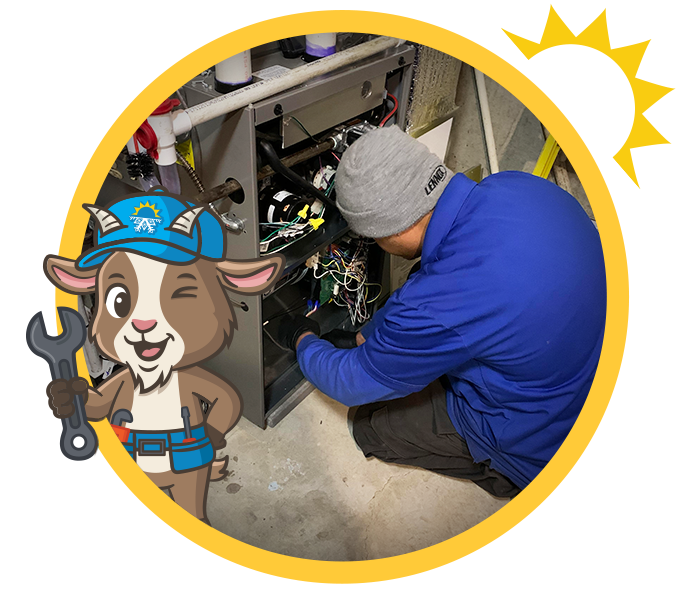

Fagundes — The Family’s Ace in Home Solutions
From our family to yours - thanks for trusting the Family’s Ace. Ace and the team are ready when you are.
-
Family FirstWe’re committed to clear pricing, tidy work, and respectful technicians you can trust.
-
Smart SolutionsWe deliver efficient systems, quiet installations, and clean water — all handled for you.
-
Local RootsWe live in this community, support it through sponsorship, and always stand behind our work.